

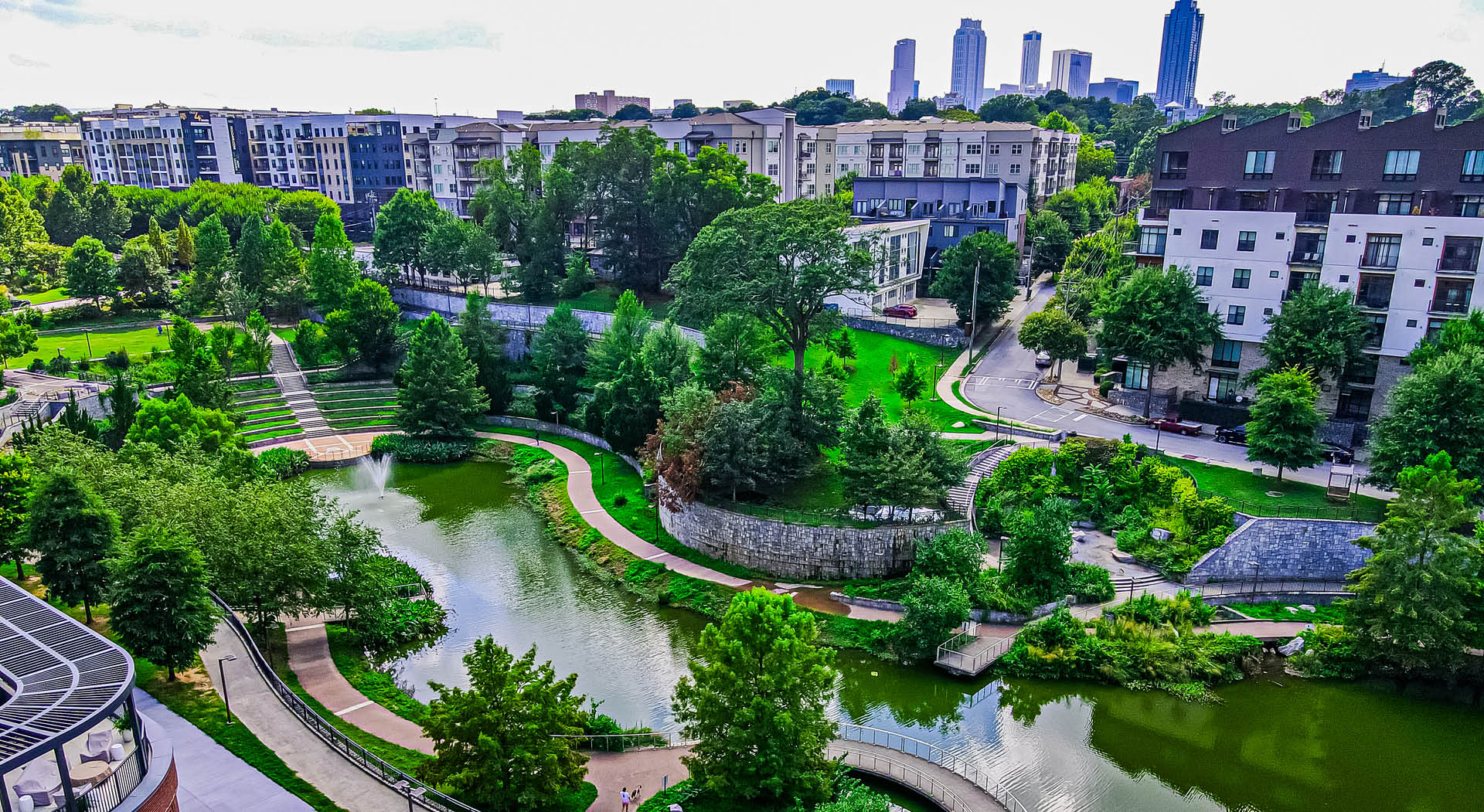
When it comes to finding a home, the house itself is only part of the equation. A truly livable neighborhood can shape your daily life, influence your happiness, and even protect your investment. Whether you’re buying your first home, relocating, or upgrading to your dream property, knowing what to look for in a neighborhood is essential.
At Rise Group, we don’t just help you find a house, we help you find a neighborhood that fits your lifestyle, your priorities, and your future. Here are the 10 traits that make a city neighborhood truly livable, and how we can guide you to the perfect community.
Walkability and Accessibility
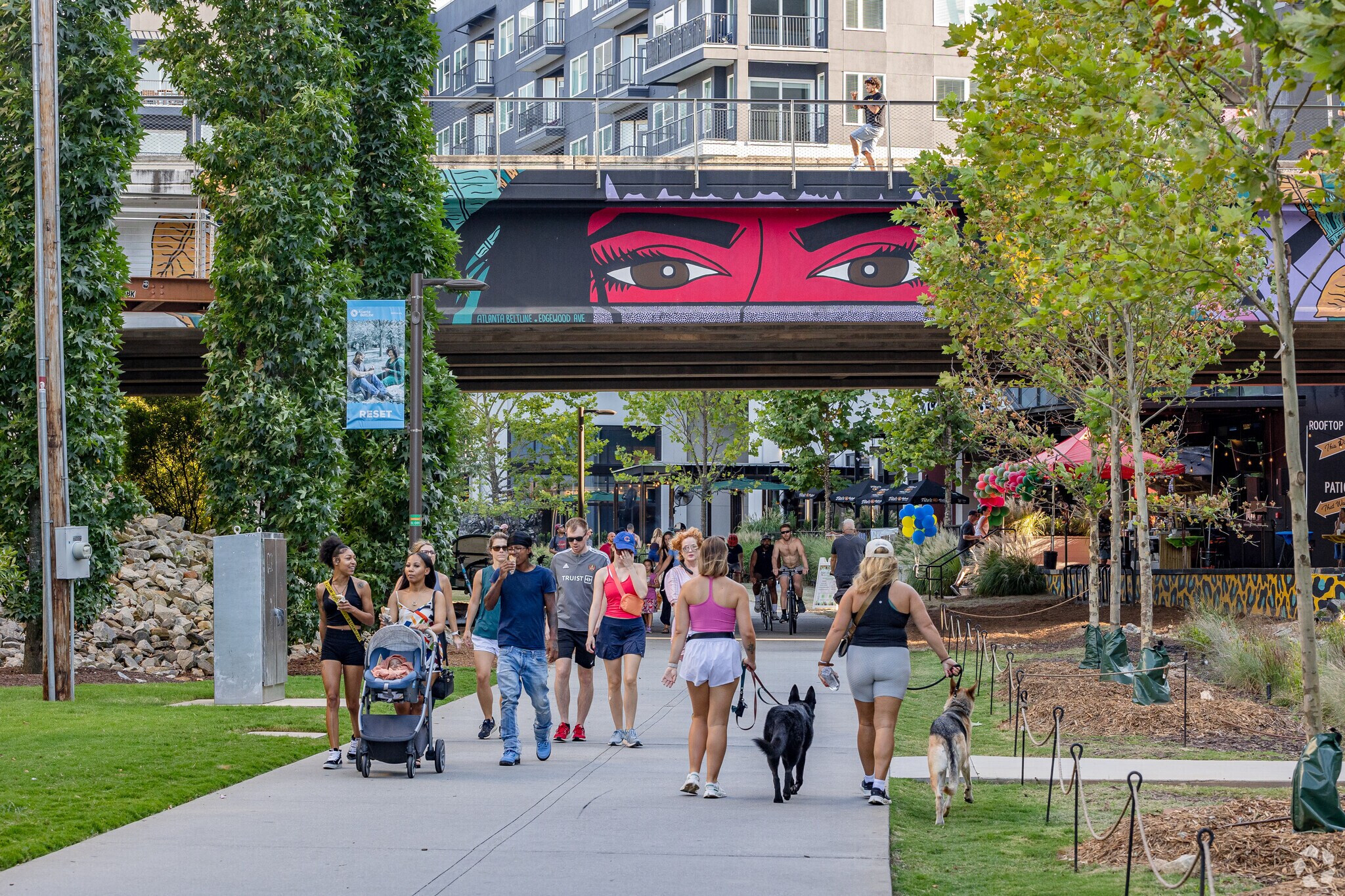
A walkable neighborhood makes life easier, healthier, and more enjoyable. Streets with sidewalks, pedestrian-friendly paths, and easy access to shops, cafes, parks, and public transit allow residents to run errands, exercise, and socialize without always needing a car. Walkable areas also tend to be more social and livelier, with neighbors naturally connecting at local spots.
Tip: Check the neighborhood’s walk score and explore it on foot at different times of day. Notice how easy and safe it feels to get around.
Access to Parks and Green Spaces
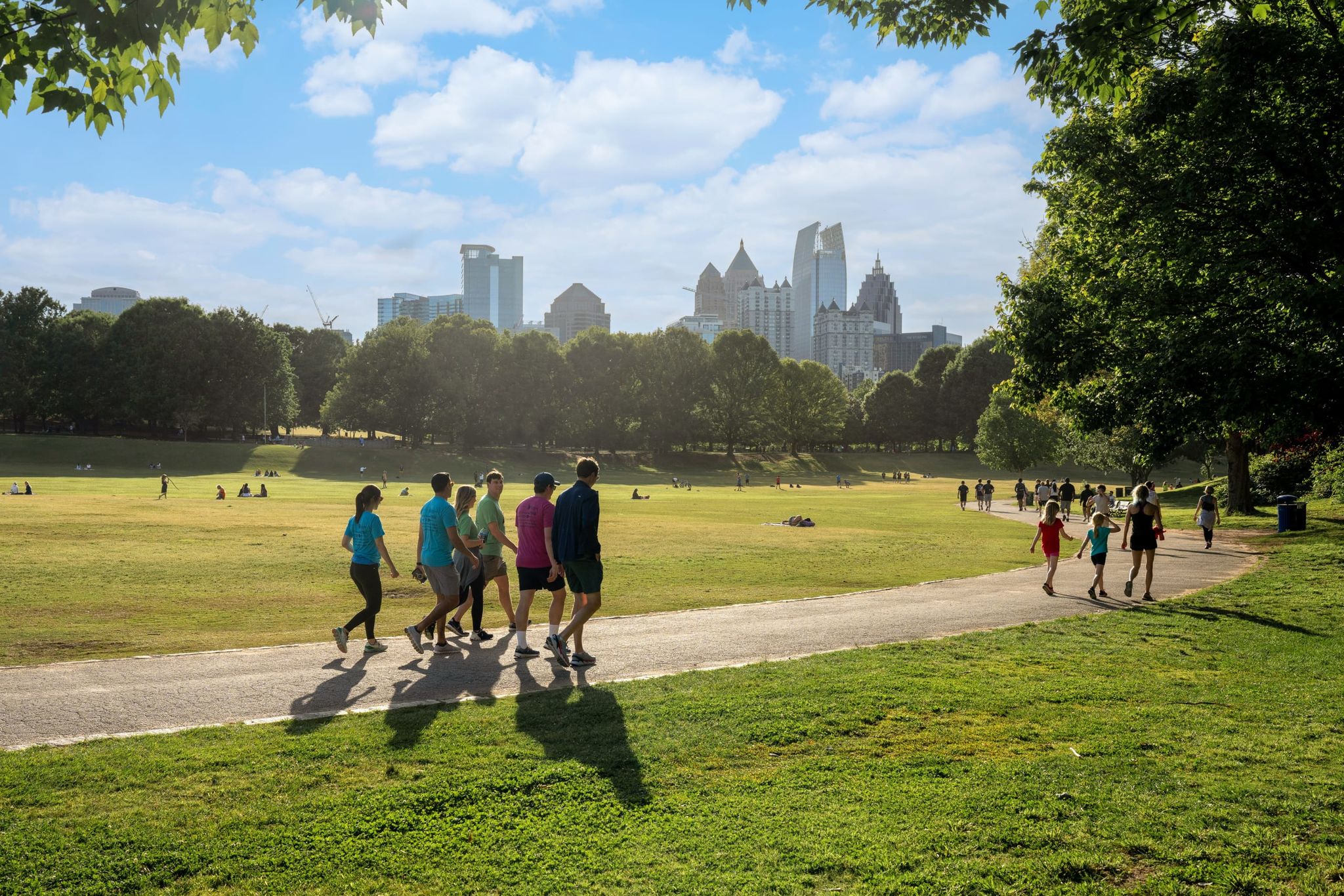
Parks and green spaces aren’t just for weekends, they’re vital for daily exercise, relaxation, and connecting with nature. Trails, playgrounds, dog parks, and community gardens provide opportunities for everyone to stay active and engaged.
Tip: Visit parks during peak hours to see how well-maintained and welcoming they are. A neighborhood with green spaces that are lively but safe is a great sign of livability.

Safety and Low Crime Rates
Feeling safe is essential for daily life. A livable neighborhood allows residents to walk streets comfortably, let children play outside, and park without worry. Safety can also be reflected in well-lit streets, active neighborhood watch programs, and visible community engagement.
Tip: Review crime statistics and visit the neighborhood at different times to get an honest feel for safety and comfort.
Quality Schools and Educational Resources
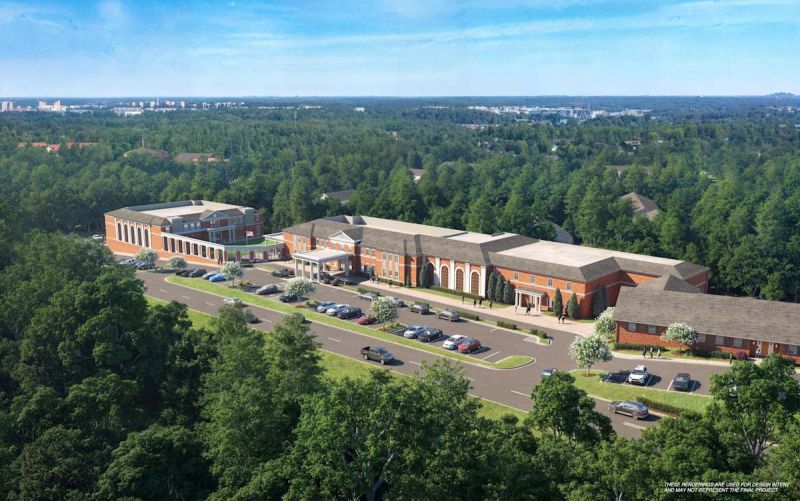
Even if you don’t have children, local schools affect community value and neighborhood reputation. Access to top-rated public and private schools, libraries, and learning centers attracts engaged families and adds to long-term property value.
Tip: Research schools and educational resources nearby. Check for libraries, community centers, and extracurricular opportunities that strengthen the neighborhood.
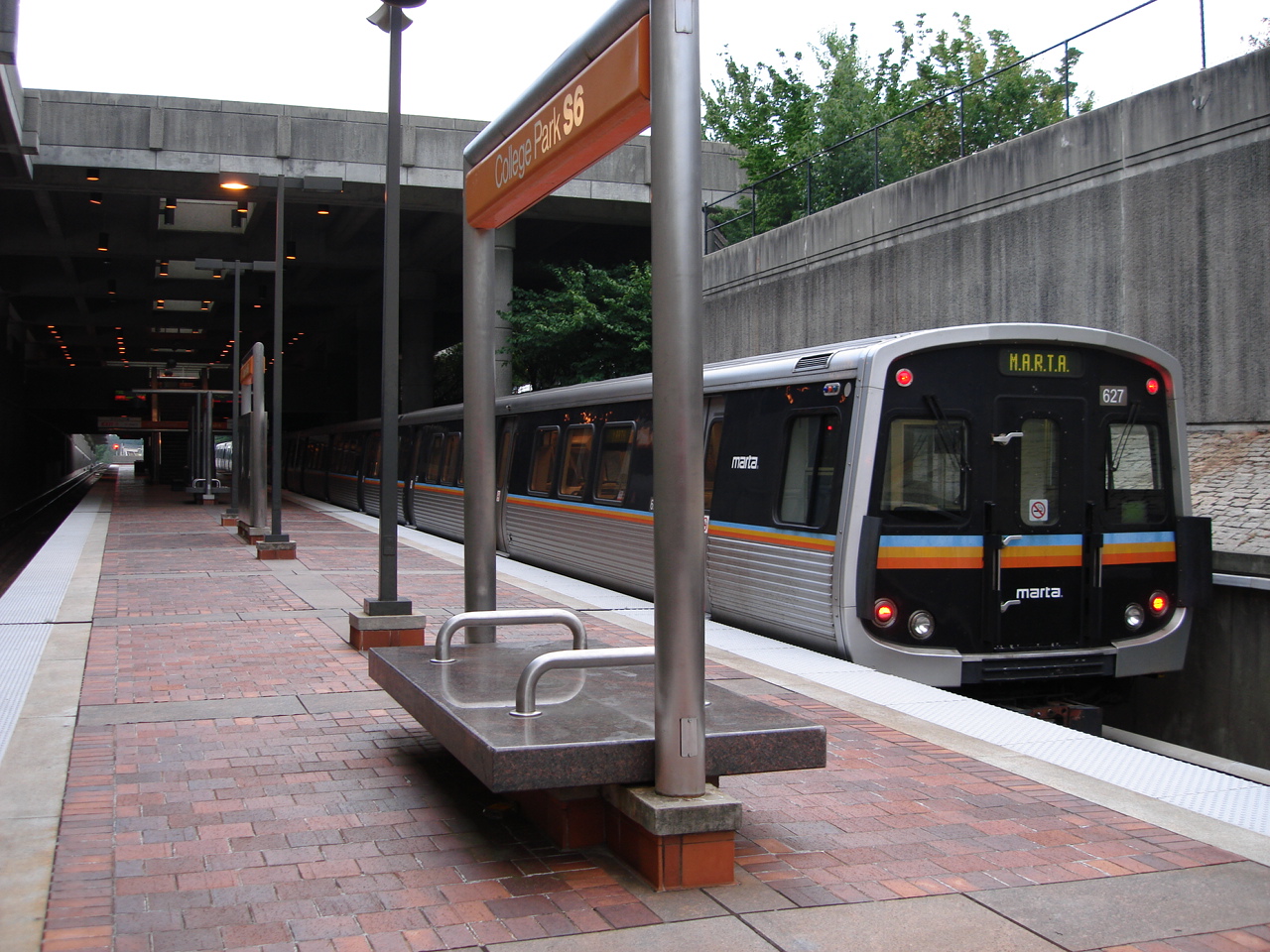
Convenient Transportation and Commute Options
Neighborhoods with efficient transportation options make daily life easier. This includes proximity to highways, public transit, bike lanes, or pedestrian-friendly trails like the BeltLine Eastside Trail. Shorter commutes mean more time for hobbies, family, and relaxation.
Tip: Test your commute during peak hours and explore local transit options. Convenience matters for both daily life and resale value.
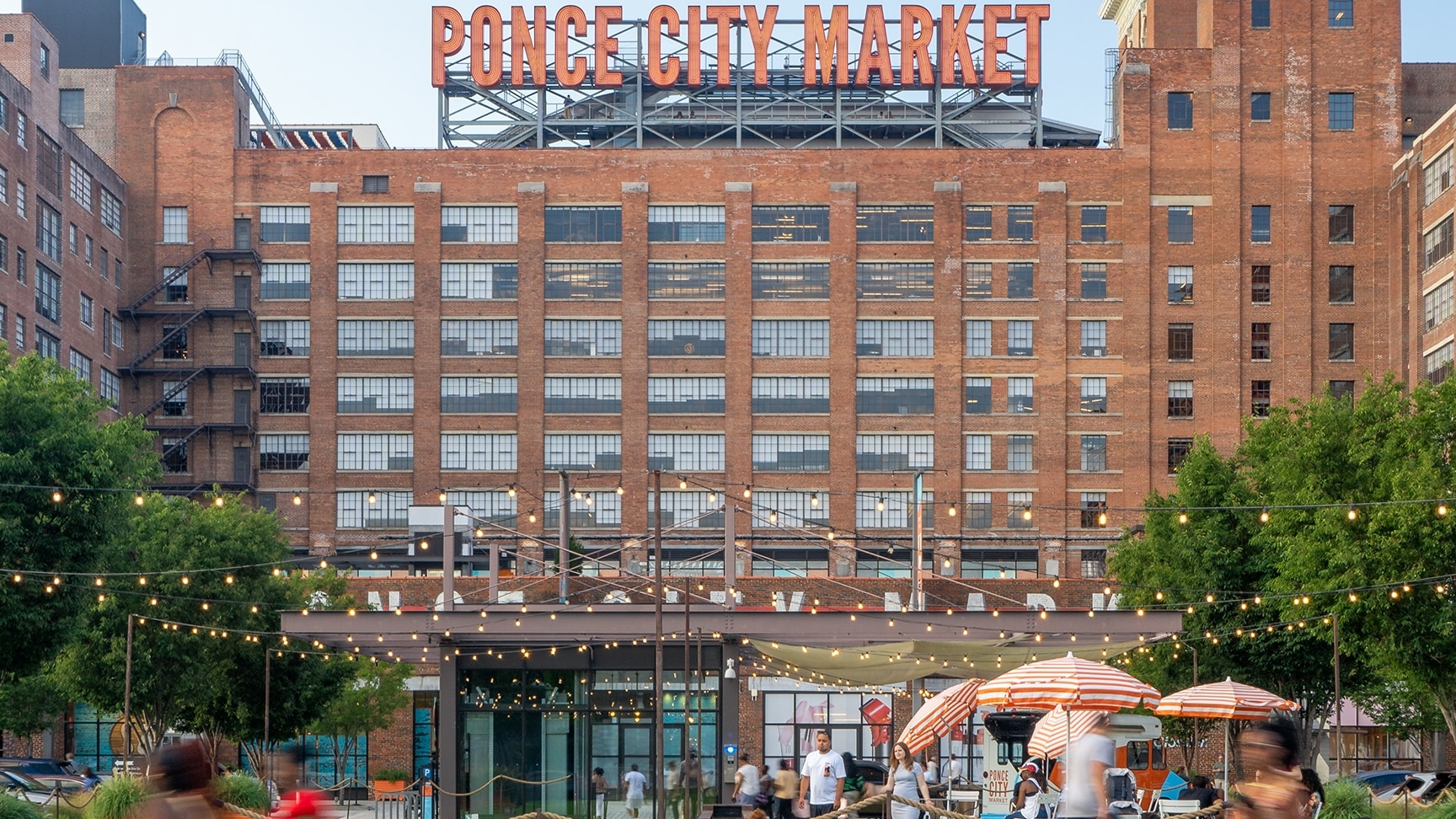
Diverse Shopping, Dining, and Amenities
Neighborhoods with local markets, coffee shops, restaurants, gyms, and essential services make everyday life convenient and enjoyable. Areas like Inman Park or near Ponce City Market show how amenities within walking distance foster a vibrant, active community.
Tip: Explore shops and dining options in the neighborhood. Variety, quality, and convenience are all important indicators.
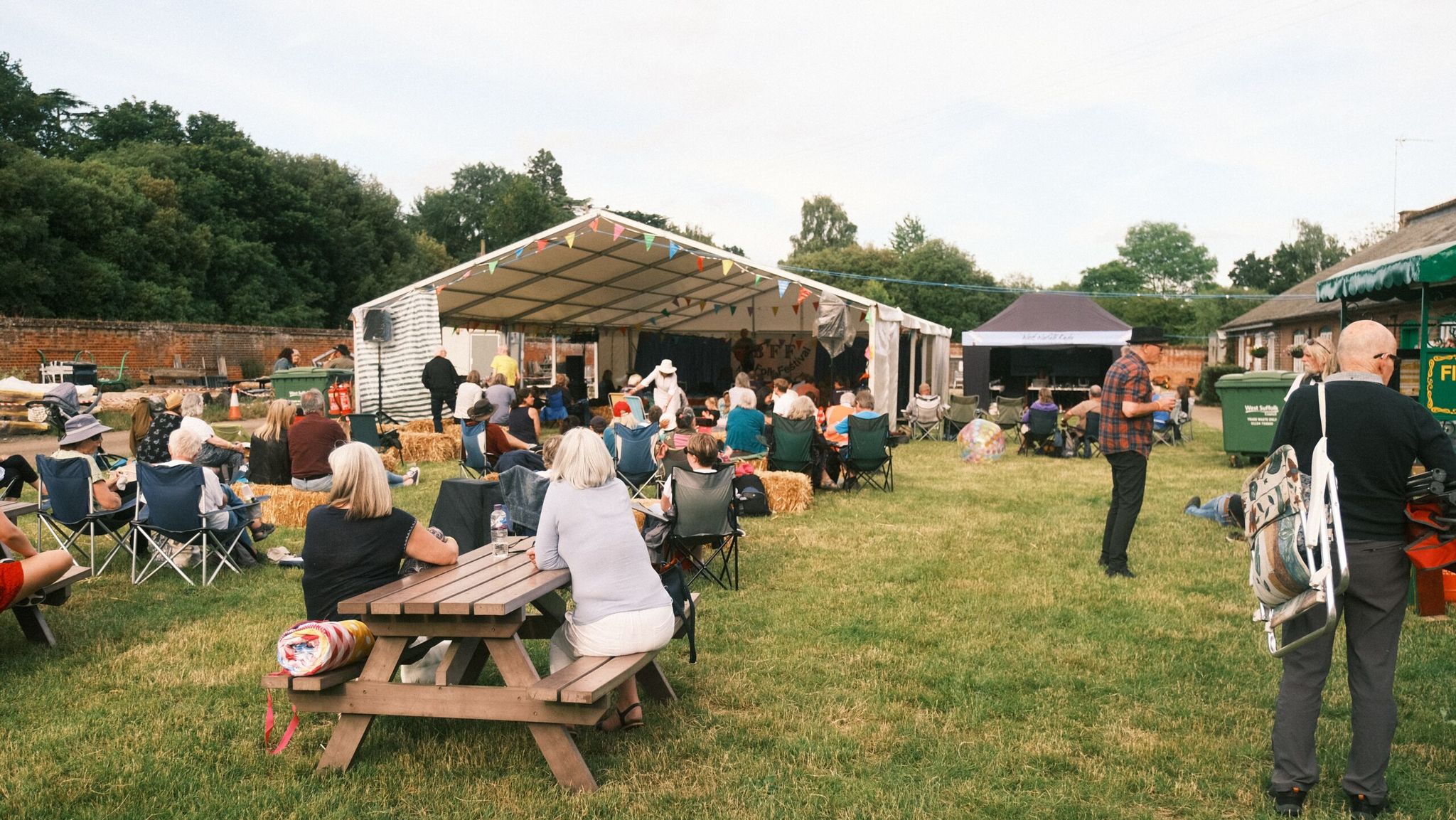
Strong Sense of Community
A livable neighborhood fosters connections, engagement, and pride. Active neighborhoods often have block parties, farmers markets, local festivals, and associations that bring residents together.
Tip: Attend a local event or visit community hubs to see how engaged residents are. A welcoming and friendly vibe is a strong sign of community.
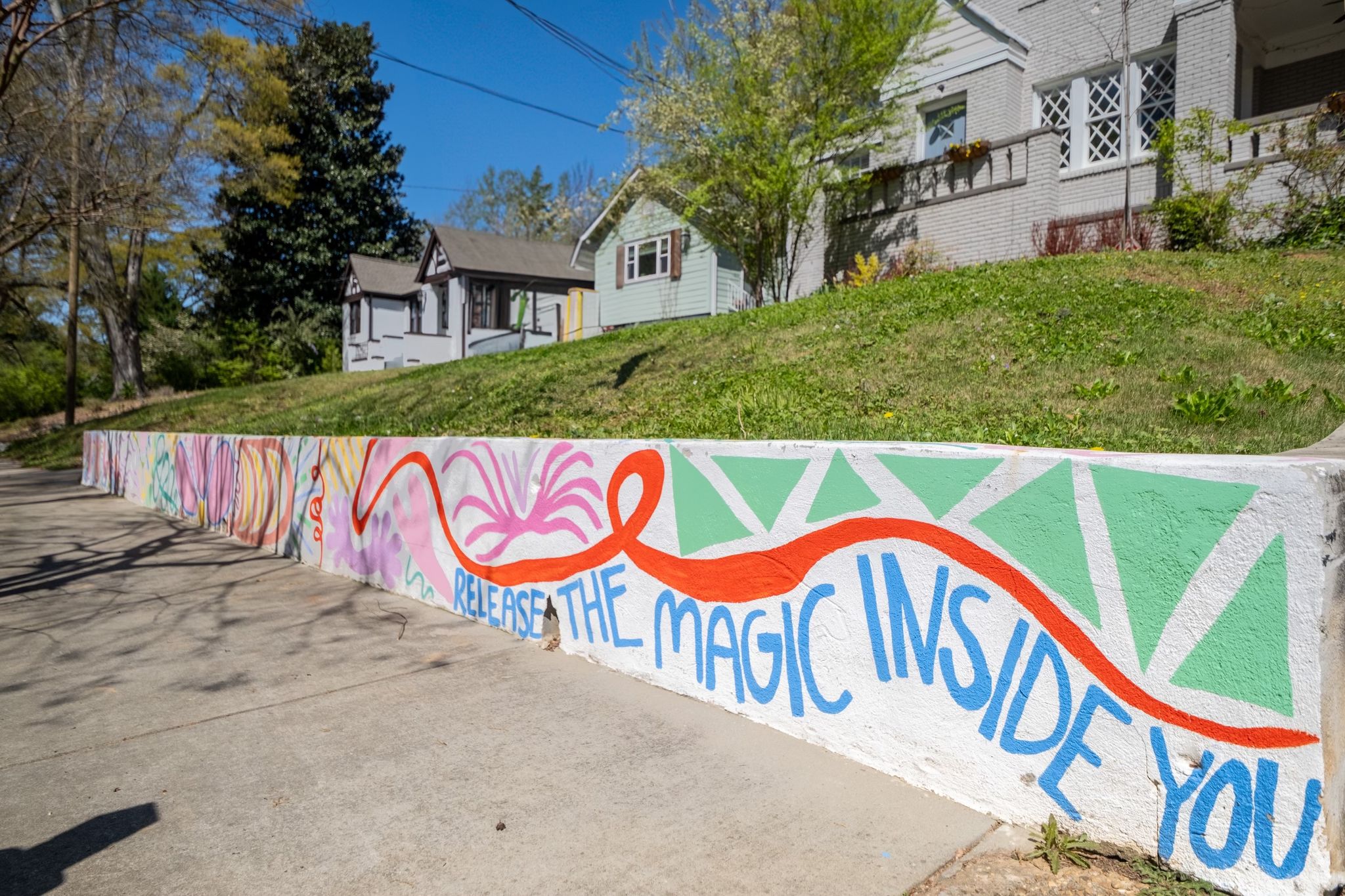
Aesthetic Appeal and Well-Maintained Streets
Visual charm matters for daily enjoyment and long-term satisfaction. Tree-lined streets, maintained landscaping, historic homes, or modern architecture create a welcoming environment and reflect an engaged community.
Tip: Take a walk or drive through the neighborhood and observe home upkeep, streets, and landscaping. Well-maintained areas often indicate pride and investment from residents.
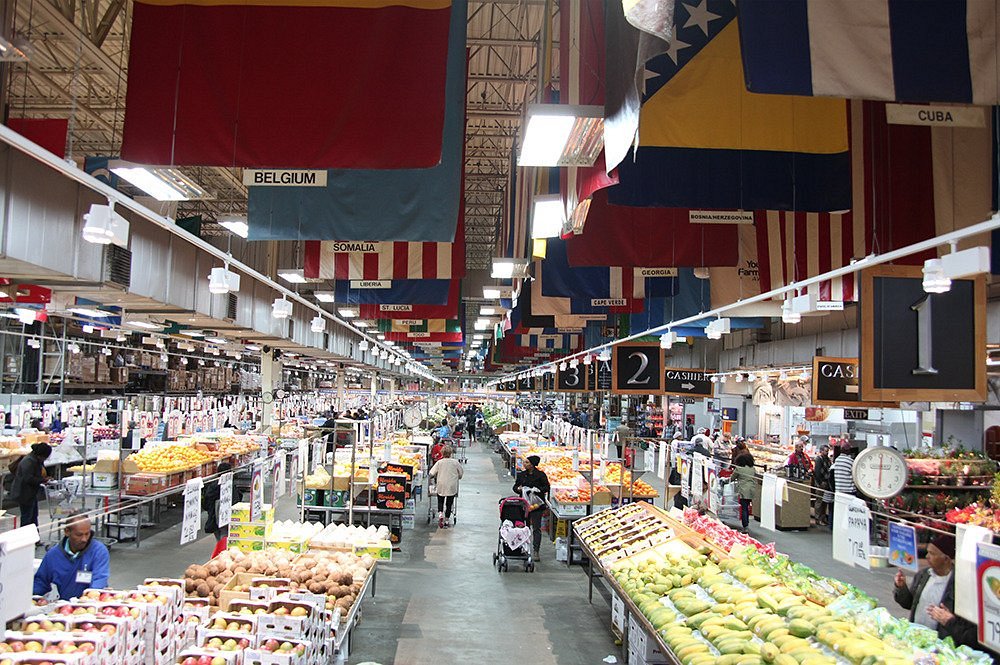
Diversity and Inclusivity
Thriving neighborhoods are inclusive and welcoming, celebrating multiple cultures, lifestyles, and backgrounds. This diversity often results in unique restaurants, festivals, and shops that enrich daily life.
Tip: Explore cultural events, local shops, and community spaces. A vibrant mix of people and experiences is a sign of a dynamic neighborhood.
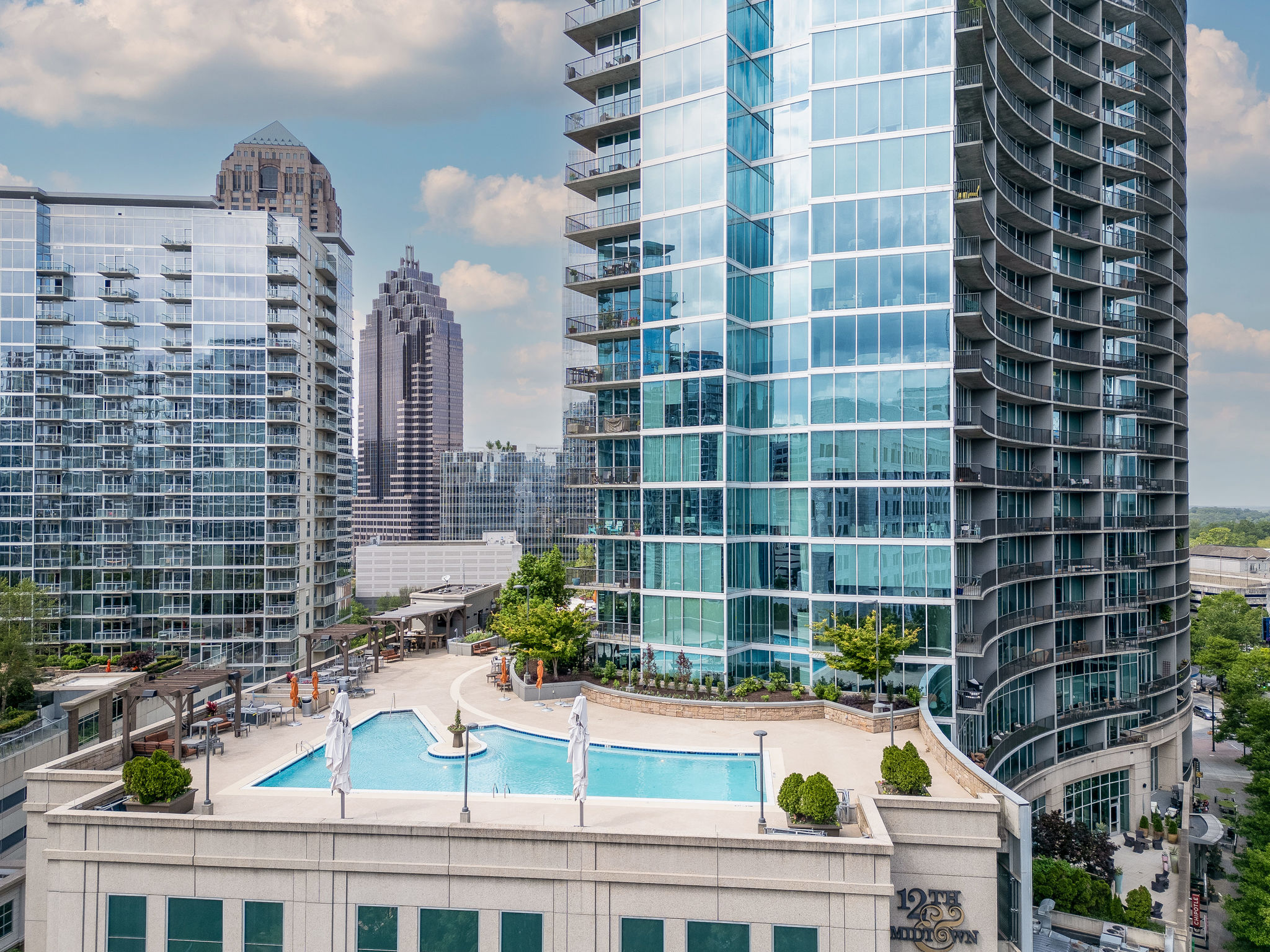
Growth Potential and Future Development
A livable neighborhood balances current comfort with future growth. Thoughtful development, like new parks, commercial spaces, or transit improvements, can enhance quality of life while increasing property value over time.
Tip: Research upcoming development plans, zoning changes, and local projects. Sustainable growth ensures your home remains a solid investment.
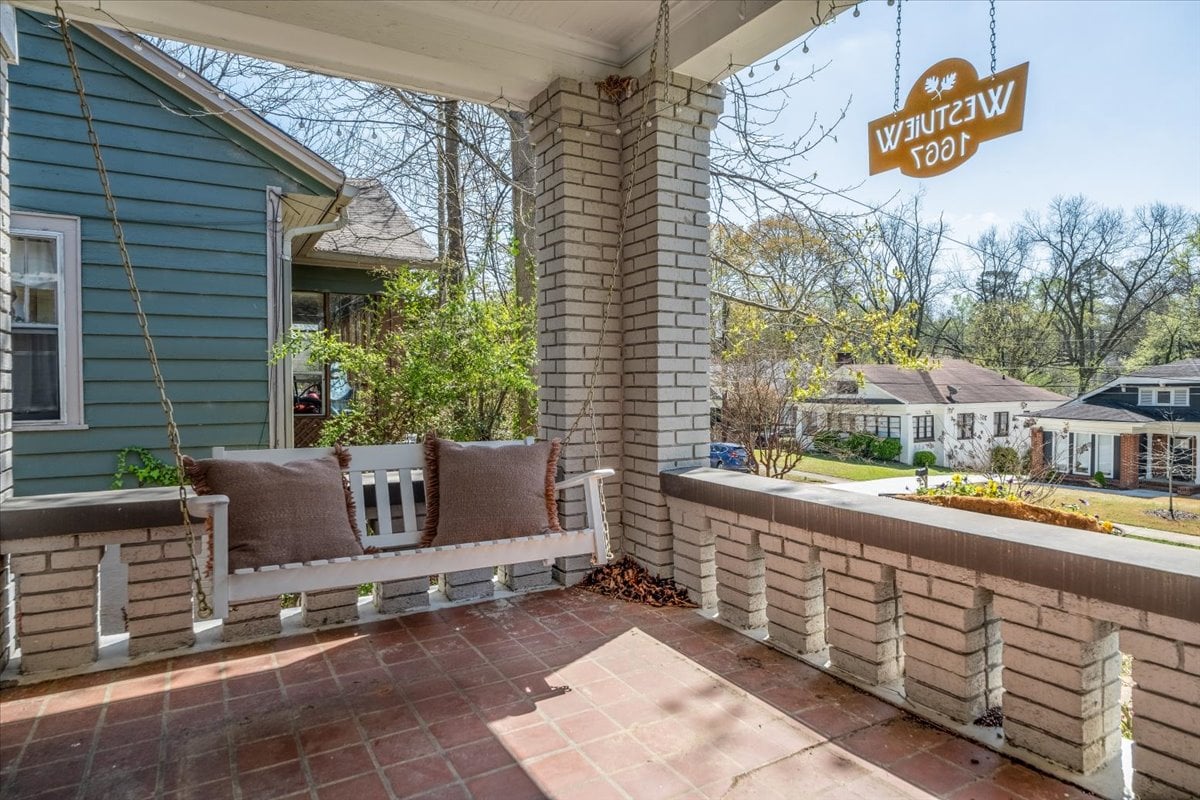
A home is more than four walls; a neighborhood shapes your daily experience, social connections, and long-term happiness. By focusing on traits like walkability, safety, community, amenities, and growth potential, you can choose a neighborhood that truly supports your lifestyle.
At Rise Group, we help clients look beyond the house to find neighborhoods where they’ll thrive. From navigating local insights to evaluating schools, parks, and amenities, we make the process smooth, enjoyable, and stress-free. Because at Rise Group, your dream home starts with the right neighborhood.
Next Steps
Ready to find a neighborhood that fits your lifestyle, your family, and your future? Contact Rise Group today to schedule a personalized neighborhood tour and explore the best areas Atlanta has to offer.
Check out this article next